
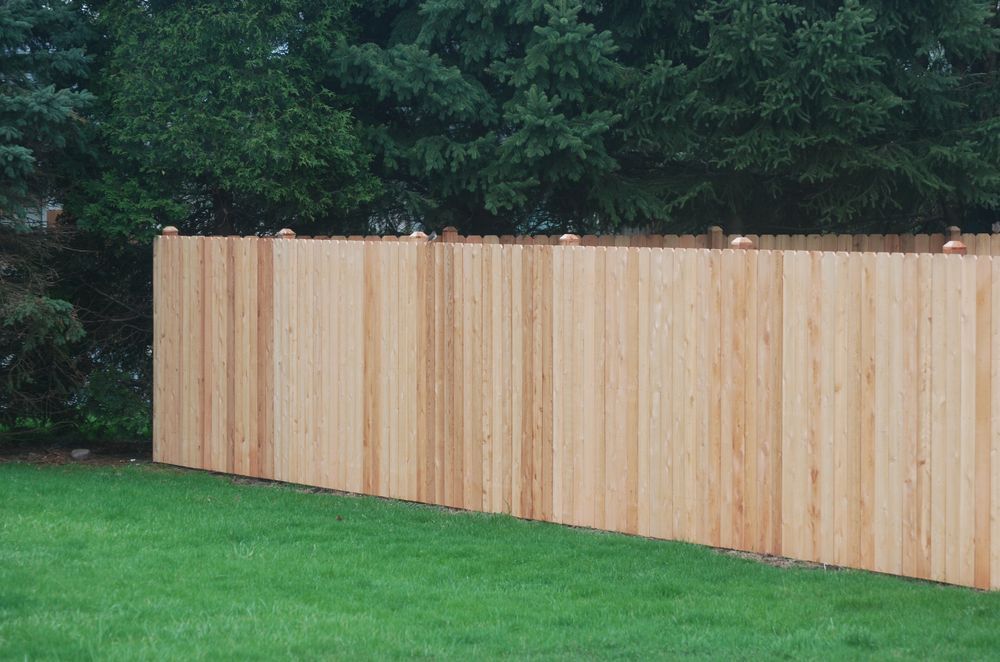
Secure Your Property with Durable Fencing
S & D Sheds LLC installs residential and rural fencing that defines property lines and protects outdoor areas.
Fencing serves multiple purposes depending on where you live and what you need to secure. You might need a boundary line that keeps livestock contained, a barrier that protects equipment from weather or trespassers, or a perimeter that gives your yard clear edges. S & D Sheds LLC installs fencing for residential yards, rural properties, and areas where sheds or other structures require secure surroundings. The installation process begins with measuring the area, marking corners and gate placements, and selecting materials that hold up under local weather conditions.
Fencing is commonly paired with shed and building placements because it helps organize outdoor space and provides a defined area for storage, equipment, or animals. Posts are set in the ground at intervals that prevent sagging, and panels or boards are attached to create a continuous barrier. The work includes leveling the fence line, reinforcing corners, and installing gates where access is needed. You end up with a functional perimeter that suits your property layout and protects what matters most.
Reach out to S & D Sheds LLC to discuss fencing options, material choices, and installation timing that fits your property and security needs.
What You Notice After the Fence Is Up
Once the fence is installed, you see a clear separation between your property and neighboring land, and you gain control over where people, animals, or vehicles can enter. The fence line remains straight and stable, even when wind picks up or rain softens the ground. Gates swing open and close without dragging, and latches hold securely when fastened. You no longer worry about animals wandering off or equipment sitting exposed along the property edge.
Fencing installed with durability in mind resists warping, rust, and rot longer than temporary barriers. Posts are set deep enough to withstand shifting soil, and fasteners are chosen to avoid loosening over time. The materials used depend on whether you need privacy, visibility, or a combination of both. Fencing does not eliminate the need for regular inspections, but it reduces the frequency of repairs when installed correctly from the start.
The installation accounts for property slope, drainage patterns, and existing structures like sheds or driveways. Fencing does not block access to utility lines or interfere with gates that need to open fully. The final layout reflects how you use your land and what you need the fence to accomplish, whether that's keeping animals in, defining boundaries, or adding a layer of security around storage areas.
Anchor Installation Pricing and Details
Protect your portable building with
professional anchor installation for added stability and long-term security. Below is our pricing breakdown, as well as service details for each project.
Pricing - $75 per anchor
Pricing includes:
- Anchors
- Straps
- Bolts
- Professional Labor
Important Service Details:
- Anchor installation is completed
after the building has been delivered
- This service is separate from the building delivery service
- Scheduling is required
For scheduling, questions, or concerns, please contact:
David Ritter - (361) 319-5063
Property owners often ask about material choices, installation time, and how fencing interacts with other features like buildings, gates, and natural terrain.
Common Questions Before Installation Starts
S & D Sheds LLC evaluates your property layout, security requirements, and material preferences before installation begins. Contact the team to schedule a site visit and review fencing options that fit your land and long-term goals.